
Ayurvedic Wellness Products: Building a Natural, Trend-Ready Health Routine in 2026
September 09, 2026 · Havmi Wellness
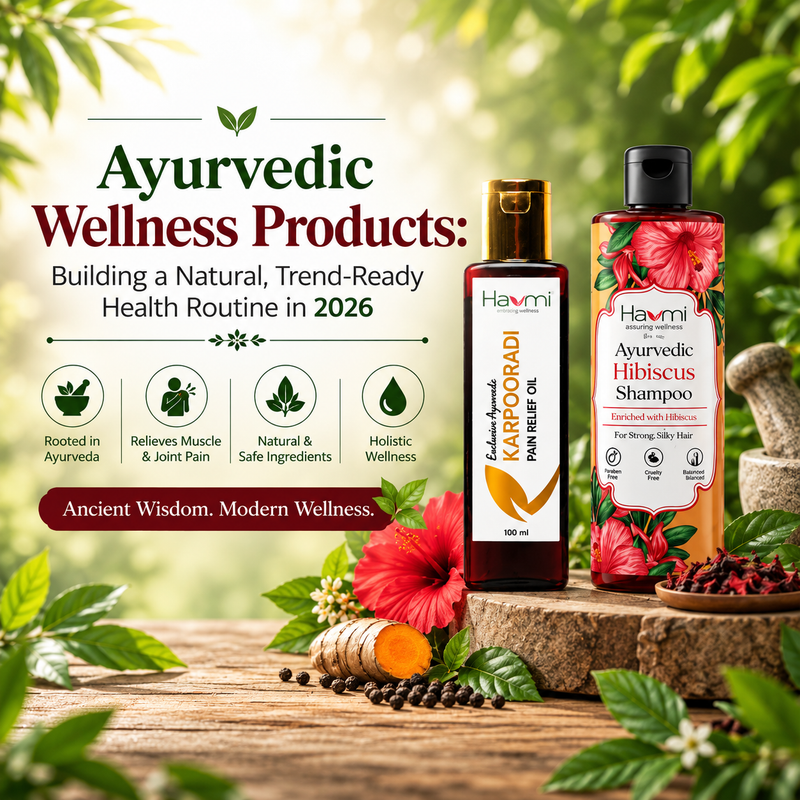
How turmeric, cold-pressed oils, herbal hair care and single-origin spices are becoming the backbone of modern preventive health.
Walk into any wellness conversation in 2026 and the word "ayurvedic" comes up almost as often as "protein" or "gut health." What used to be seen as a niche, grandmother-approved tradition has become one of the fastest-growing categories in the global health and beauty market. Search interest in ayurvedic wellness products has climbed steadily as people look for alternatives to synthetic supplements, chemical-laden shampoos and quick-fix medicines. At the same time, dermatologists, nutritionists and even mainstream skincare brands are borrowing ayurvedic ingredients like turmeric, hibiscus and coconut for their formulations. This shift is not a passing trend; it reflects a genuine change in how people want to care for their bodies — through prevention, natural ingredients and routines that work with the body rather than against it. In this article, we break down what makes a product genuinely ayurvedic, why ayurvedic health products are trending right now, and how you can build a simple, effective daily routine using them.
What Actually Makes a Product "Ayurvedic"?
Ayurveda is a 5,000-year-old Indian system of medicine built on the idea that health depends on balance — between the body, mind and environment. Central to this system are the three doshas (Vata, Pitta and Kapha), which represent different combinations of the five elements: earth, water, fire, air and space. A genuine ayurvedic product is formulated to support this balance, usually through single, recognisable ingredients rather than long lists of synthetic additives.
This is what separates authentic ayurvedic wellness products from products that simply use "ayurveda" as a marketing label. A true ayurvedic health product will usually list ingredients you can picture growing in a garden — turmeric, hibiscus, coconut, ashwagandha, brahmi, neem — rather than a string of unpronounceable chemical compounds. Sourcing also matters: where the turmeric was grown, how the oil was extracted, and whether the spices were handpicked all affect the potency and purity of the final product.
Why Ayurvedic Wellness Products Are Trending Right Now
A few forces are converging to push ayurvedic health products into the mainstream:
1. The Clean-Label Movement
Consumers are reading ingredient labels more closely than ever, and they are increasingly wary of parabens, sulphates and artificial fragrances. Ayurvedic products, by design, tend to be short-ingredient and plant-first, which fits neatly into this clean-beauty and clean-nutrition movement.
2. The Gut–Skin–Hair Connection
Wellness content across social media has popularised the idea that skin and hair health start from within. This has renewed interest in ayurvedic staples like turmeric and black rice, which are valued for their antioxidant properties, alongside topical ayurvedic hair and skin oils that work on the outside.
3. Rising Interest in Preventive, Not Just Reactive, Health
Instead of waiting for a problem and reaching for a pill, more people are building daily routines meant to prevent issues in the first place — an approach that has always been at the heart of Ayurveda. This is reflected in the rising popularity of functional spices, herbal oils and daily wellness rituals.
4. A Return to Traceable, Single-Origin Ingredients
Just as coffee and chocolate buyers now care about where their beans are grown, wellness shoppers are asking where their turmeric or cardamom comes from. Single-origin claims — such as turmeric grown in Lakadong, Meghalaya, known for its distinctly high curcumin content, or spices handpicked from Kerala's hill plantations — have become a genuine differentiator rather than a marketing footnote.
Core Categories of Ayurvedic Health Products for Everyday Life
Ayurvedic wellness products aren't limited to one aisle — they span nutrition, hair care, pain relief and sleep support. Here's how the major categories fit into a modern routine.
Immunity and Metabolic Health
Turmeric remains the poster child of ayurvedic health products, and for good reason. It is traditionally used to support digestion, joint comfort and general immunity, largely due to its curcumin content. Not all turmeric is equal, though — curcumin percentage varies significantly by region, which is why origin-specific turmeric, such as the Lakadong variety, is increasingly sought after by informed buyers rather than generic turmeric powder.
Hair and Scalp Care
Hair fall, dandruff and dull, dry strands are among the most searched wellness concerns today, and ayurvedic hair care has stepped in as a gentler alternative to silicone- and sulphate-heavy shampoos. Coconut milk-based shampoos are prized for their moisturising properties, while hibiscus-infused formulations are traditionally associated with stronger roots and reduced hair fall. Herbal hair oils, often blended with multiple ayurvedic herbs, remain a weekly ritual for scalp nourishment in many Indian households and are now gaining traction internationally as well.
Pain and Mobility Support
For everyday aches, stiff joints and post-workout soreness, ayurvedic pain oils formulated with warming herbs are a natural alternative to over-the-counter pain balms. These oils are typically massaged into the affected area, combining the therapeutic benefit of the herbs with the circulation-boosting effect of massage itself — a two-in-one approach that's hard to replicate with a tablet.
Sleep and Stress Relief
Poor sleep and chronic stress are two of the most common modern-life complaints, and ayurvedic sleep oils — usually applied to the scalp or soles of the feet before bed — are gaining popularity as a non-habit-forming way to wind down. Unlike sleep medication, these products work gradually as part of a nightly ritual rather than as an instant knockout solution.
The Kitchen as Medicine
Ayurveda has always treated the kitchen as the first pharmacy. Grains like black rice, prized for their antioxidant-rich dark bran layer, and Kerala-grown spices such as clove and cardamom aren't just flavour enhancers — they're considered functional foods that support digestion and overall vitality when used regularly in cooking.
How to Build a Simple Dosha-Based Routine
You don't need to overhaul your lifestyle overnight to benefit from ayurvedic wellness products. A good starting point is understanding your dominant dosha and choosing products accordingly:
- Vata (air and space): Prone to dryness and anxiety — benefits from warm oil massage (pain or sleep oils), warming spices like cardamom and clove, and consistent daily routines.
- Pitta (fire and water): Prone to inflammation and irritability — benefits from cooling ingredients, gentle hair care like hibiscus shampoo, and moderate turmeric intake.
- Kapha (earth and water): Prone to sluggishness and congestion — benefits from stimulating spices, lighter oils, and an active daily routine paired with metabolism-supporting turmeric.
Most people are a combination of two doshas, so it's less about rigid rules and more about noticing which ayurvedic health products make you feel genuinely better and building a routine around those.
Ayurvedic Health Products vs. Modern Supplements: Busting the Myths
A common misconception is that ayurvedic products are "slow" or "less effective" compared to modern supplements. In reality, the two serve different purposes. Modern supplements are often isolated compounds designed for a fast, targeted effect. Ayurvedic wellness products, on the other hand, are whole-ingredient formulations designed for gradual, sustained balance — closer in philosophy to "food as medicine" than to a quick fix.
Another myth is that natural automatically means weaker. Curcumin from a well-sourced, high-potency turmeric can rival many synthetic anti-inflammatory compounds in the research literature, provided the turmeric itself is of good quality. The effectiveness of any ayurvedic health product depends heavily on sourcing, processing and consistency of use — not on the category itself being inferior.
How to Choose Genuine Ayurvedic Wellness Products
With the category growing quickly, not every product on the shelf lives up to the ayurvedic label. Here's what to check before buying:
- Ingredient transparency: Look for short, recognisable ingredient lists rather than long chemical names.
- Origin information: Single-origin claims (a specific region for turmeric, spices or coconut) are a strong signal of quality control.
- No harmful additives: Genuine ayurvedic hair and skin products should avoid parabens, sulphates and synthetic fragrances.
- Third-party reviews and repeat purchase data: Real customer feedback is often more reliable than marketing claims alone.
- Freshness: Ayurvedic oils and powders lose potency over time, so check manufacturing dates and buy from brands with high turnover.
Frequently Asked Questions
Are ayurvedic wellness products safe for daily use?
Yes, most ayurvedic health products — such as turmeric, hair oils and herbal shampoos — are designed for regular, daily or weekly use as part of an ongoing routine rather than a short-term treatment. As with any product, it's worth doing a patch test for topical items and checking with a doctor if you're pregnant, nursing or on medication.
How long does it take to see results from ayurvedic products?
Because ayurvedic wellness products work gradually to restore balance rather than deliver an instant effect, most people notice visible changes — in hair strength, digestion or sleep quality — after four to eight weeks of consistent use.
Can ayurvedic health products be used alongside modern medicine?
Many people do combine the two, using ayurvedic products for daily maintenance and modern medicine for acute issues. However, if you're on prescription medication, it's best to check with your doctor before adding new herbal products, especially oral ones.
What should I look for on the label of an authentic ayurvedic product?
Look for a clear, short ingredient list, the region or source of key ingredients (like a specific turmeric-growing belt), and the absence of parabens, sulphates or synthetic fragrances. Certifications and transparent sourcing information are strong indicators of authenticity.
Bringing It All Together
Ayurvedic wellness products are trending in 2026 not because of nostalgia, but because they offer something modern routines often lack — ingredient transparency, gradual and sustainable results, and a philosophy built around prevention rather than quick fixes. Whether it's starting the day with a pinch of high-curcumin turmeric, switching to a sulphate-free herbal shampoo, or winding down at night with a warm oil massage, small, consistent changes are usually all it takes to feel the difference. As more people look for natural, traceable alternatives to synthetic health and beauty products, ayurvedic health products are well-positioned to remain a lasting part of how we think about everyday wellness — not just a passing trend.