
Diabetes Supplements and Blood Sugar Supplements: What the Growing Interest Is Really About
September 09, 2026 · Havmi Wellness
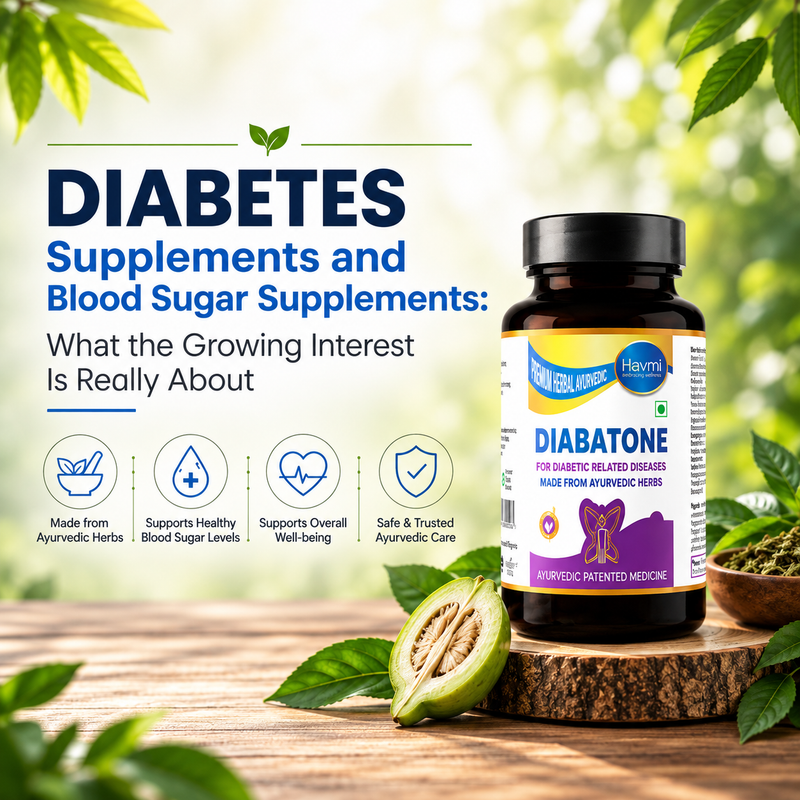
Understanding the trend toward natural, herbal support for blood sugar management — and how it fits alongside medical care, not in place of it.
India is often called the diabetes capital of the world, and globally the number of adults living with diabetes or prediabetes continues to climb every year. It's no surprise, then, that searches for diabetes supplement and blood sugar supplements have grown steadily as people look for additional, natural ways to support the healthy blood sugar levels they're already working to maintain through diet, exercise and medical care. This growing interest isn't about replacing doctors or prescriptions — it's about a broader shift toward proactive, everyday wellness, where herbal and nutritional support sit alongside, not instead of, conventional treatment. In this article, we'll look at why this category is trending, what "blood sugar support" actually means from a lifestyle and nutritional standpoint, and how to think about supplements sensibly and safely.
A quick but important note before we go further: this article is for general information only. Diabetes and blood sugar management should always be guided by a qualified doctor, and no supplement — herbal or otherwise — should be started, stopped or used as a substitute for prescribed medication without medical advice.
Why Interest in Blood Sugar Supplements Is Rising
A few clear trends are behind the growing search volume around this topic:
1. Rising Prediabetes and Lifestyle-Related Diabetes Cases
Sedentary jobs, processed food consumption and high-stress routines have pushed prediabetes rates up sharply in recent years, especially among younger adults. This has widened the audience actively researching blood sugar support — not just people already diagnosed with diabetes, but those trying to stay ahead of it.
2. A Preventive, Not Just Reactive, Approach to Health
Much like the broader wellness movement, people are increasingly trying to manage risk factors before they become a diagnosis. This has made everyday nutritional and herbal support — alongside regular checkups — a bigger part of how people think about long-term metabolic health.
3. Renewed Interest in Traditional and Ayurvedic Approaches
Ayurveda has long used specific herbs, spices and dietary practices believed to support healthy glucose metabolism. As trust in traceable, plant-based wellness grows, more people are revisiting these traditional approaches as a complement to modern medical care.
4. Continuous Glucose Monitoring Going Mainstream
Wearable glucose monitors, once used only by people with diabetes, have become a mainstream wellness tool. As more people can see in real time how food, stress and sleep affect their blood sugar, interest in supportive nutrition and supplements has grown alongside this new visibility.
What "Blood Sugar Support" Actually Means
It's worth being clear about terminology here. A diabetes supplement or blood sugar supplement is not a treatment for diabetes and cannot replace insulin, metformin or any other prescribed medication. What these products are generally intended to do is provide nutritional or herbal support alongside a healthy diet, regular activity and medical care — not act as a standalone fix. Reputable products and reputable information sources are careful to frame this as "support," not "treatment" or "cure," and it's worth being cautious of any product or claim that promises otherwise.
Ingredients Commonly Associated With Blood Sugar Support
Several herbs and nutrients come up repeatedly in both traditional Ayurvedic practice and modern nutrition research as being studied for their relationship to healthy glucose metabolism. This is general information, not a recommendation to self-treat:
- Bitter gourd (karela): A traditional Ayurvedic ingredient long associated with supporting healthy blood sugar metabolism, commonly used in Indian households as a vegetable or juice.
- Fenugreek (methi) seeds: Traditionally soaked and consumed for their fibre content, which is believed to slow carbohydrate absorption.
- Turmeric: Valued for its curcumin content and general anti-inflammatory properties, which researchers have studied in relation to insulin sensitivity.
- Cinnamon: A commonly studied spice believed to support the body's response to insulin.
- Jamun (Indian blackberry) seeds: Used traditionally in Ayurveda for metabolic support.
- Fibre-rich whole grains: Foods with a lower glycemic impact, such as certain traditional rice varieties and whole grains, are often recommended as part of an overall blood-sugar-conscious diet rather than as a supplement.
The presence of these ingredients in a product doesn't guarantee a specific effect for every individual — response varies significantly from person to person, which is exactly why medical guidance and monitoring matter more than any single ingredient.
Lifestyle Habits That Matter as Much as Supplements
Whether or not someone chooses to use a blood sugar supplement, the habits around it tend to matter just as much, if not more:
- Consistent meal timing: Irregular eating patterns can cause bigger blood sugar swings than the food itself.
- Fibre-first eating: Vegetables and fibre before carbohydrate-heavy foods in a meal is a simple habit often associated with steadier post-meal blood sugar.
- Post-meal movement: A short walk after eating is one of the most consistently recommended, low-effort habits for supporting healthy blood sugar response.
- Sleep and stress management: Poor sleep and chronic stress both affect the hormones involved in blood sugar regulation, making them an often-overlooked part of the picture.
- Regular monitoring and checkups: Especially for anyone prediabetic or diabetic, working with a doctor to track A1C and other markers remains the most reliable way to understand what's actually working.
How to Approach Diabetes Supplements Sensibly
If you're considering a diabetes supplement or blood sugar supplement as part of your routine, a few principles are worth keeping in mind:
- Talk to your doctor first, always: This is especially important if you're on any diabetes medication, since some herbal ingredients can interact with prescribed drugs or affect blood sugar levels more than expected.
- Be wary of "cure" or "reversal" claims: Diabetes is a complex, chronic condition. Any product claiming to cure or completely reverse it without medical supervision should be treated with scepticism.
- Look for ingredient transparency: Choose products that clearly list ingredient sources and quantities, rather than vague "proprietary blends."
- Treat it as a supplement, not a substitute: The word "supplement" is literal — it's meant to complement medical treatment and lifestyle changes, not replace either.
- Monitor and reassess: If you do try a supplement, track how you feel and, where relevant, your blood sugar readings, and discuss any changes with your doctor.
Frequently Asked Questions
Can a diabetes supplement replace my prescribed medication?
No. Diabetes supplements are intended to support overall wellness alongside medical treatment, not replace insulin, metformin or any other prescribed medication. Never stop or adjust medication without your doctor's guidance.
Are herbal blood sugar supplements safe for everyone?
Not necessarily. Some herbal ingredients can interact with diabetes medications or affect blood sugar more than expected, which is why it's important to consult a doctor before starting any new supplement, especially if you're already on medication.
How long does it take to notice a difference from blood sugar supplements?
This varies significantly by individual and ingredient, and in many cases, effects are subtle and best tracked through regular blood sugar monitoring and doctor checkups rather than how you feel day to day.
Is a low-glycemic diet more important than taking a supplement?
Diet, activity and consistent medical care remain the foundation of blood sugar management. Supplements, when used, are generally most effective as a complement to these habits, not a replacement for them.
Understanding Your Own Risk Factors
Not everyone researching blood sugar supplements is already managing diabetes — many are simply trying to understand their own risk. Family history, weight, activity levels and age all play a role in how likely someone is to develop prediabetes or type 2 diabetes over time. Simple markers like waist circumference and how quickly you feel hungry again after eating can sometimes hint at how efficiently your body is managing glucose, though these are not diagnostic on their own. If you notice patterns like frequent fatigue after meals, increased thirst, or unexplained changes in weight, these are worth discussing with a doctor rather than addressing through supplements alone. A simple blood test — either a fasting glucose check or an HbA1c — remains the most reliable starting point for understanding where you actually stand, and it's a far better guide for any supplement or lifestyle decision than guesswork.
Reading Labels: What to Look for on a Diabetes Supplement
Not all products marketed under the diabetes supplement or blood sugar supplement umbrella are formulated or tested to the same standard. A few label details are worth checking before buying:
- Ingredient quantities, not just names: A product should state how much of each herb or extract it contains, not just list them.
- Standardisation for key compounds: Where relevant, look for standardised extracts (for example, a stated curcumin percentage in turmeric) rather than generic "herbal powder."
- Third-party testing or certification: Independent testing adds a layer of confidence around purity and potency claims.
- Clear usage guidance: Reputable products specify how and when to take them, and explicitly recommend medical consultation rather than burying that advice in fine print.
- No exaggerated claims: Steer clear of language promising to "cure," "reverse" or "eliminate" diabetes without any medical involvement.
Bringing It All Together
The rising interest in diabetes supplements and blood sugar supplements reflects a genuine and understandable desire to take a more proactive role in long-term metabolic health — especially as prediabetes and lifestyle-related diabetes become more common. Traditional Ayurvedic ingredients like bitter gourd, fenugreek and turmeric have a long history of use in this space, and modern research continues to explore their role. But the most important part of this trend isn't any single ingredient — it's the shift toward consistent, informed, preventive habits: regular movement, mindful eating, good sleep and, above all, ongoing partnership with a qualified doctor. Used thoughtfully and in that context, a well-chosen supplement can be one small part of a much bigger, medically guided approach to staying healthy.